Dismantling Oppression. Cultivating Justice. Nurturing Wellbeing.






OUR APPROACH
Justice Leaders Collaborative believes it is our human responsibility to work toward social justice—the dismantling of systems of privilege and oppression—in all areas of our life. Our goal is to do our part to contribute to a world free of injustice and committed to collective liberation & wellbeing!
We take an intersectional approach to our work because it is our deep belief that “all oppression is connected.”
It simply is not possible to create a world free of racism without also attending to how racism is connected to classism, sexism, heterosexism, ableism, and all other -isms. As Audre Lorde wrote, “there is no such thing as a single issue struggle because we do not live single issue lives.”
“There is no such thing as a single issue struggle because we do not live single issue lives.”
-Audre Lorde
We believe willingness is a prerequisite for change.
We cannot mandate that people care about equity, diversity, inclusion or social justice. Our offerings are specifically designed for passionate people curious about how to live their values more fully.
Our approach is rooted in self-reflection, knowledge-building & deep relationships.
We ground our offerings in “Guidelines for Dialogue” which seek to create a brave space for truth-telling. While we know that guilt and shame can be a part of the process of people coming to new awakenings, we do not believe people change by being shamed.
It is also our belief that we “cannot teach what we do not know and cannot lead where we will not go.” This means that we spend a lot of time in our courses helping participants build knowledge and understanding about systems of inequality that they likely did not learn in their own education and schooling experiences.
Our group courses allow participants to reflect individually and share with one another in pairs, small groups, and large groups. It is our hope that cohort participants build bonds that last beyond our time together because transforming ourselves, our workplaces, and our society is life-long, ongoing, never-ending work that requires us to find joy, care, and community to sustain ourselves!
We believe training is not an outcome, but instead is a process that helps facilitate action & change!
Participating in a training is not an outcome itself, but rather lays the foundation necessary to take action for justice. As we often say at Justice Leaders Collaborative, if you participate in every single session and learn and read every single thing we offer, but you don’t live your life or do your job any differently than you did before, our efforts were a failure. We do this work not only so we will know more, but also so we will do more!
Learn more about our team and why we are so passionate about this work.

“Where Diversity Training Goes Wrong”
Learn more about our approach in our 3-part blog series!
OUR FACILITATION
Our sessions are co-facilitated by diverse teams along lines of race, class, gender, sexual orientation, religion, age, and other identities because we know that the message and the messenger matter when it comes to social justice.
Diverse co-facilitation teams give participants the best chance of connecting with at least one of their facilitators, which can be the difference between getting stuck in defensiveness and personal transformation.
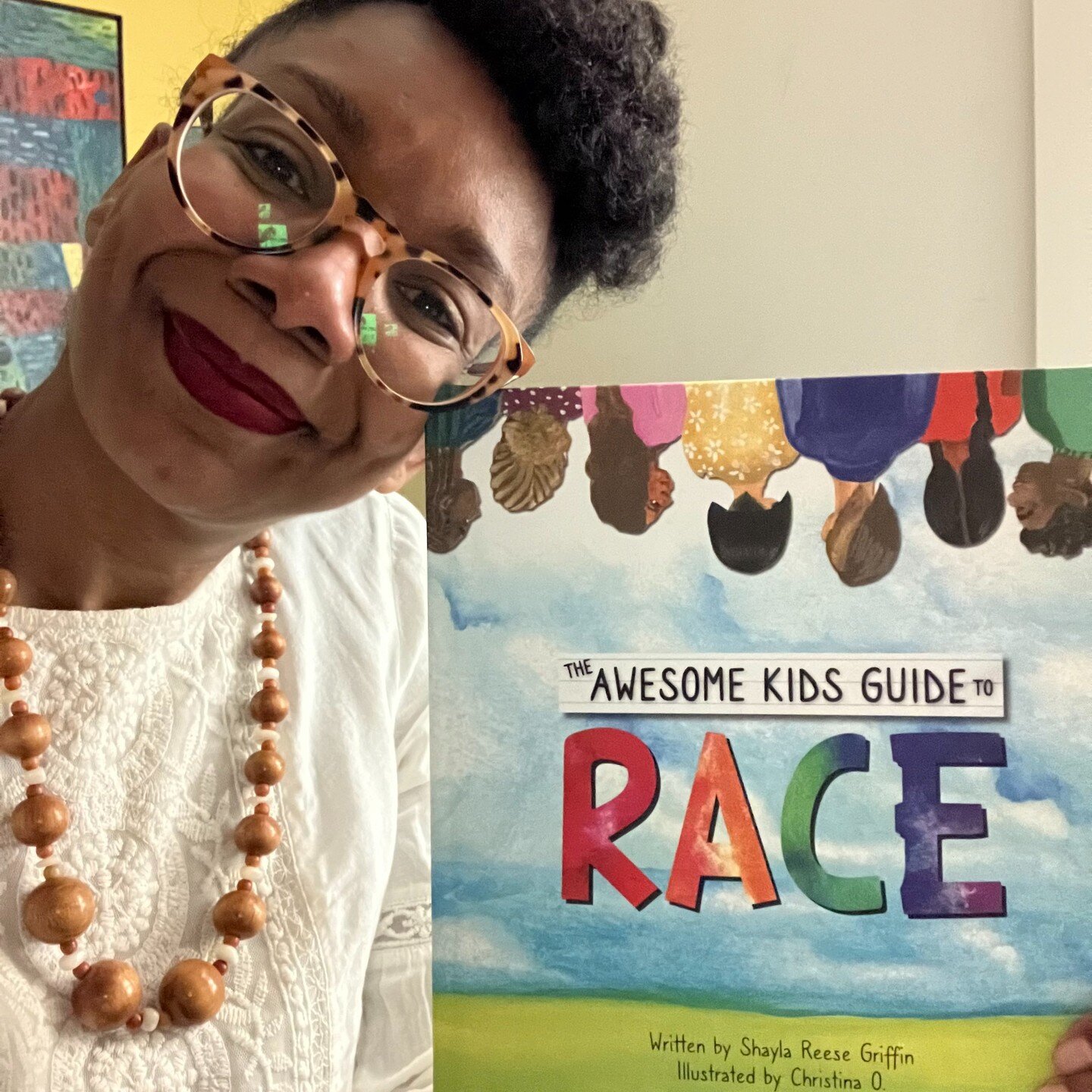
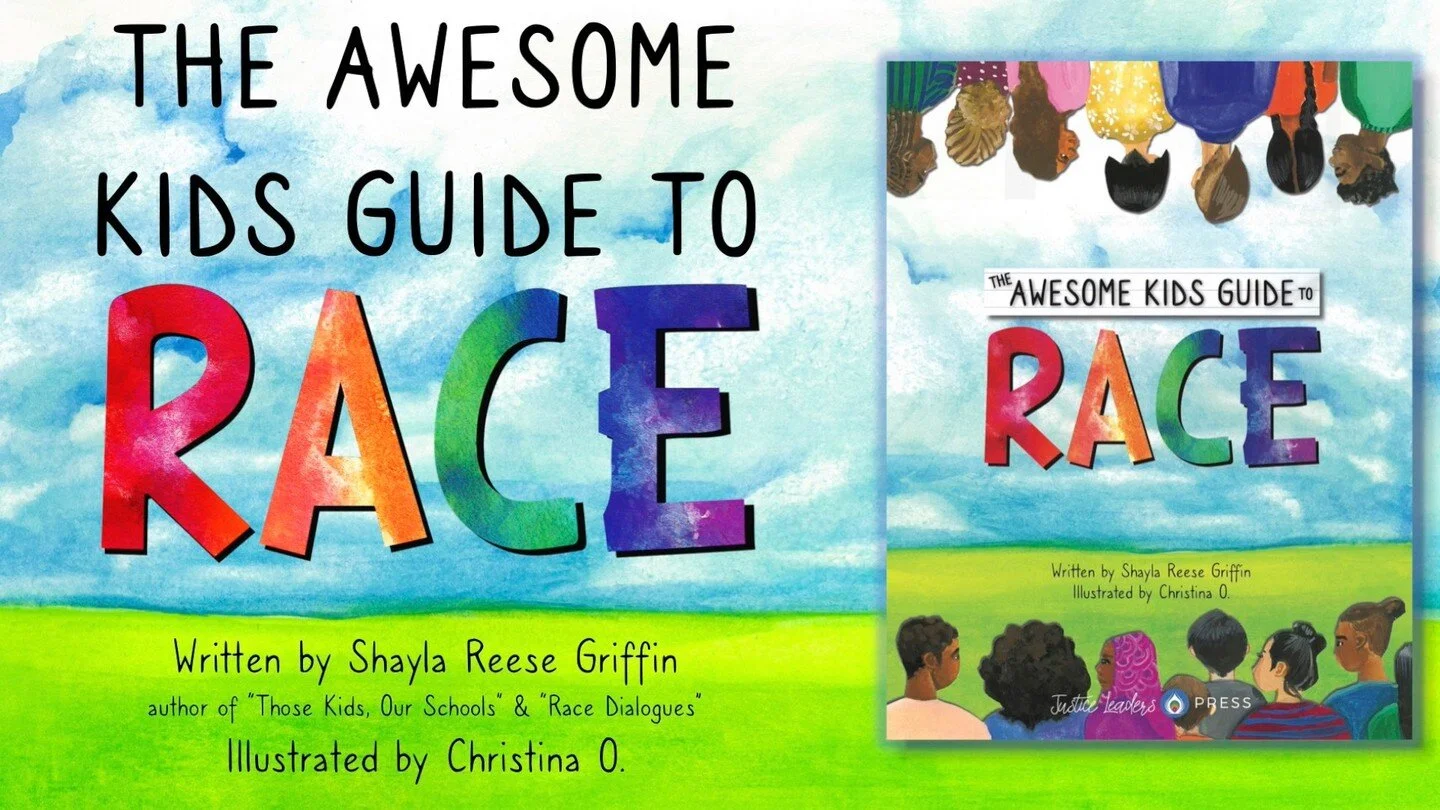
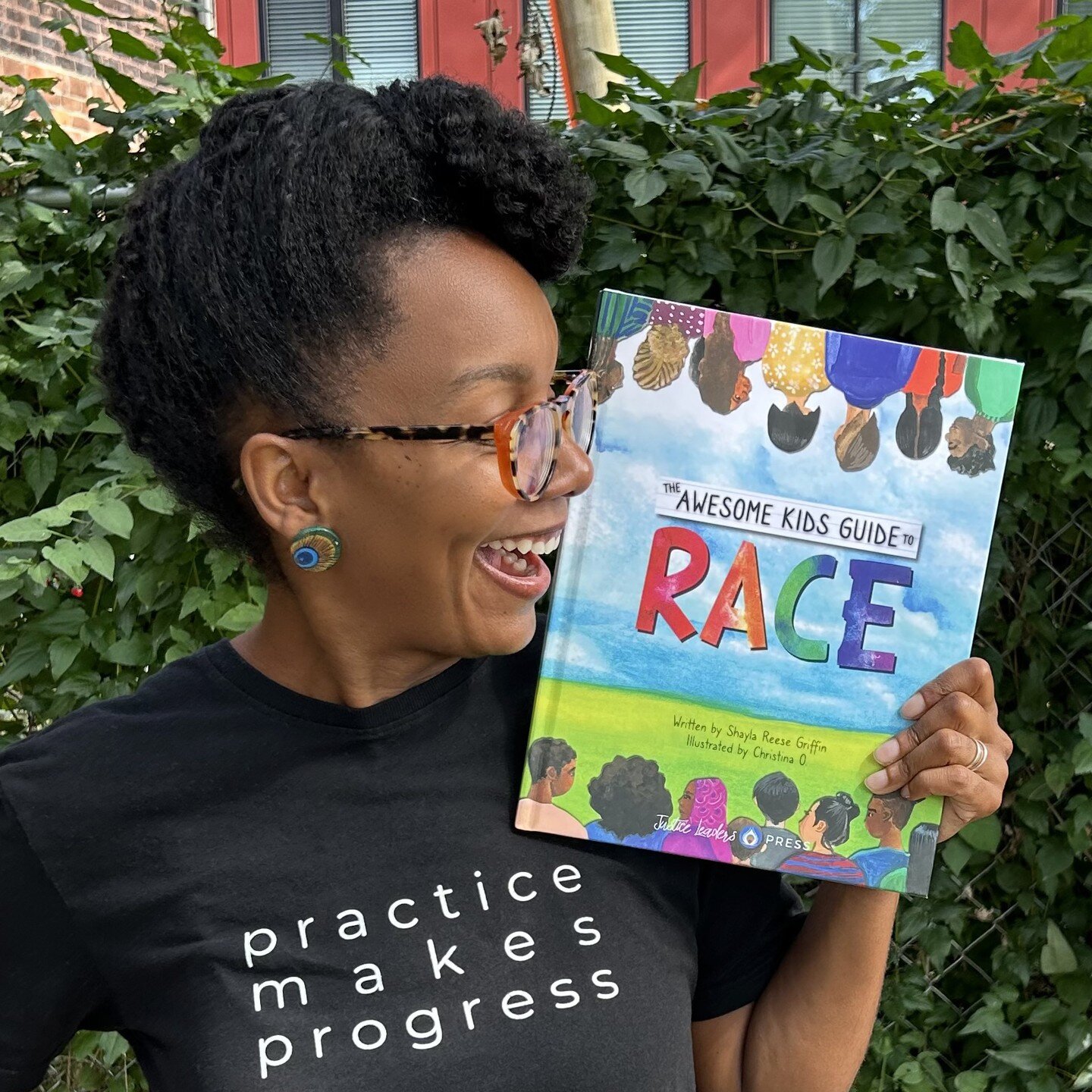
(For more about the importance of diverse co-facilitation teams see, Race Dialogues: A Facilitator’s Guide to Tackling the Elephant in the Classroomby our team member Shayla Griffin, Donna Kaplowitz and Sheri Seyka).
Our Trainings Always Include—
Co-facilitation teams (across race in sessions where People of Color and White people will be learning together)
Guidelines for community learning and dialogue that seek to create a “brave” space for truth-telling
A four-levels framework that investigates privilege and oppression at the individual, interpersonal, institutional and cultural levels
An intersectional consciousness
Relationship and community building
Multiple learning approaches that include small and large group discussion, structured exercises, readings, videos, podcasts, reflective journaling, and homework assignments
OUR INSTAGRAM